

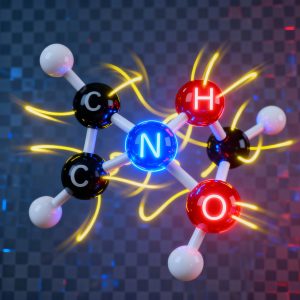

In the world of fitness and bodybuilding, supplements play a crucial role in enhancing performance, recovery, and overall results. Among these, creatine has been a long-standing favorite, renowned for its ability to increase strength and muscle size. However, like any other supplement or medication, the effects of creatine can vary greatly from person to person.
🧪 What Is Creatine—and How Is It Made?
Creatine is a naturally occurring compound found in muscle cells, where it helps produce energy during high-intensity workouts. This energy boost often translates into increased strength and muscle size.
The most common form used in supplements, creatine monohydrate, is made in labs using two simple ingredients: sarcosine (a compound similar to an amino acid) and cyanamide (a nitrogen-rich molecule). These are mixed in water, and with the help of ammonium hydroxide to balance the pH, they react to form creatine. The final product is purified and crystallized into the white powder you see in most supplement tubs.


The Creatine Conundrum
While creatine is effective, it doesn’t work the same for everyone. For some individuals, including myself, creatine monohydrate use comes with a less desirable side effect, water retention.


💡 Enter Creatine HCL: A Smarter Alternative?
If you’re someone who experiences bloating or water retention with creatine monohydrate, creatine HCL (hydrochloride) might be worth exploring. This newer form of creatine is bonded with hydrochloric acid, making it more soluble and absorbable in the body.


Less Water Retention: Because it’s more concentrated, you need a smaller dose, reducing the chance of bloating.
Better Absorption: Its high solubility means it’s absorbed faster and more efficiently.
No Loading Phase: Unlike monohydrate, creatine HCL doesn’t require a loading phase to be effective.
Gentler on the Stomach: Many users report fewer digestive issues compared to monohydrate.
🏁 Takeaway
After more than 27 years of training, I’ve had plenty of hands-on experience with both creatine monohydrate and creatine HCL. While monohydrate is a solid, well-researched option, I’ve personally found that creatine HCL gives me better results when it comes to building lean muscle—without the extra water weight or bloating that monohydrate sometimes causes.
Now that you know creatine monohydrate is made in labs from sarcosine and cyanamide, it’s easier to understand what you’re actually putting into your body. But at the end of the day, the best supplement is the one that works for you. Everyone’s body reacts differently, so it’s worth experimenting to see what gives you the best performance without the unwanted side effects. Pay attention to how you feel, make adjustments as needed, and choose the version of creatine that helps you hit your goals more effectively.