



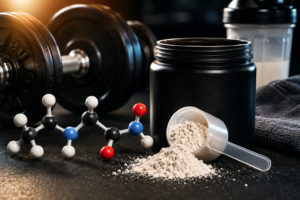
Branched-chain amino acids (BCAAs) are essential amino acids made up of valine, leucine, and isoleucine. They play crucial roles in protein anabolism and metabolism.
Introduction
As nutrition science keeps moving forward and we learn more about how the body works, people who love fitness and athletes are paying closer attention to how they bounce back after workouts. One thing that’s been getting a lot of hype is BCAAs, special amino acids that may help muscles heal faster and keep your body in good shape overall.
The Importance of BCAAs
BCAAs are essential amino acids that cannot be synthesized by the body and must be obtained through diet or supplementation. They are unique because they are primarily metabolized in skeletal muscle rather than the liver. Let’s explore their roles and benefits:
- Protein Anabolism: BCAAs are basically the raw materials your body uses to build and repair muscle, so they’re important for muscle growth. One of them, called leucine, acts like a switch that turns on a key process in your body (the mTOR pathway) that controls how your muscles make new protein.
- Enhanced Recovery: Taking BCAAs before or after a workout can help you bounce back faster by easing muscle soreness and speeding up repair. They get into your blood quickly, so your body has ready-made “building blocks” to patch up and rebuild muscle.
- Ammonia Detoxification: When you push your body hard during exercise, it creates waste products like ammonia that can mess with your muscles. BCAAs help clean that up by turning ammonia into another substance called glutamine, which your body then gets rid of. This “clean-up job” keeps your BCAA levels steady and helps stop your muscles from breaking down.


Optimal Timing and Dosage
For maximum benefit, consider the following recommendations:
- Timing: Take BCAAs approximately 15 to 30 minutes before your weight training session on an empty stomach. This allows for efficient absorption and utilization by muscle cells.
- Dosage: BCAAs are generally safe when taken in recommended amounts, but your body doesn’t just flush out what it doesn’t use. Any extra protein or amino acids you consume get broken down, processed by your liver and kidneys, and either used for energy or stored as fat.
Real-Life Experience and Expert Insights
- Leroy Colbert’s Wisdom: Bodybuilding legend Leroy Colbert believed in taking bigger doses of supplements like BCAAs than what’s usually recommended. I find that useful, especially since some amino acid products suggest really small amounts that don’t seem effective. At the end of the day, real-world experience shows that everyone’s body is different, so the best approach to supplements is personal and flexible.
- Science and Practicality: While scientific studies provide valuable insights, personal experience also matters. Understanding the science behind BCAAs is essential, but physically experiencing their effects during training reinforces their value.

Takeaway
BCAAs aren’t just for pro athletes, they can help anyone who’s serious about fitness or just wants to stay healthy. Whether you’re trying to recover after tough workouts, build lean muscle, or boost your overall well-being, BCAAs can play an important role. That said, it’s smart to check with a doctor before starting any new supplement, especially if you already have health issues.
And remember, staying healthy isn’t just about science, it’s about combining solid research with real-life experience. When both come together, that’s when you get the best results for performance and long-term health.
Follow on Facebook and Instagram.