• Skip to primary navigation
  • Skip to main content
  • Skip to primary sidebar

Reuel Payne - Weight Training

Making Good Health Your Priority

  • HOME
  • About

What Happens When Your Body Doesn’t Get Enough Protein?

April 23, 2020 by Reuel Payne

[Updated May 2024]

Losing muscle can happen for a few reasons. It may be because your body isn’t getting enough protein from food, or because you’re not using your muscles often enough. When that happens, you can feel weaker and even notice that simple things, like carrying groceries or climbing stairs, start to feel tougher. This is common in people who don’t eat much protein, skip regular exercise, or have health issues that affect their muscles.

Your body is made up of a lot of water, but protein comes right after that in importance. Protein is like the “construction material” for your body. It helps build and maintain your muscles, skin, and even your blood. Almost half of what makes up your muscles is protein, while smaller amounts are found in your skin and blood. On top of that, protein isn’t just for structure, it also gives you energy. About 10 to 15 percent of the calories you eat each day come from protein.

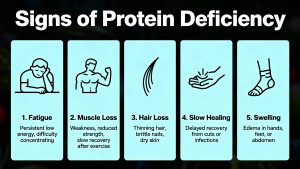
While protein deficiency isn’t common, it can happen to people who have very limited diets or certain health issues. If your body isn’t getting enough protein, it finds ways to let you know through various signs and symptoms.

Signs of Protein Deficiency

1. Loss of Muscle Mass

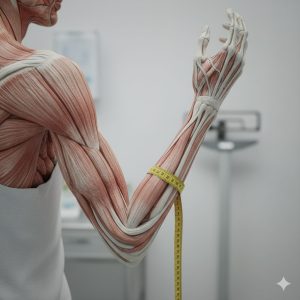
One of the first signs that you’re not getting enough protein is losing muscle. When your diet lacks protein, your body tries to make up for it by taking protein from your muscles. Over time, this can lead to muscle weakening and shrinkage. That’s why it’s important to eat enough protein to keep your muscles strong and healthy.
2. Thinning Hair, Brittle Nails, and Skin Problems

Protein is essential for keeping your skin, hair, and nails strong and healthy. If you don’t get enough of it, your skin may become red and irritated, your nails can weaken, and your hair might turn dry, thin, or break more easily. Biotin, a nutrient found in protein-rich foods, helps support the natural strength and beauty of your hair, skin, and nails. So, eating enough protein can make a big difference in maintaining their health.

3. Increased Appetite and Calorie Intake

Sometimes when you feel extra hungry or suddenly want something sweet, it may be your body’s way of saying it needs more protein. Without enough protein, your body looks for quick energy fixes, which often show up as cravings for sugary foods. Protein helps you stay satisfied after meals, so you’re less likely to snack too much or overeat. But if your diet doesn’t have enough protein, you might notice that you’re hungrier than usual and end up eating more calories overall.

4. Fragile Bones

Protein plays a crucial role in keeping your bones strong and dense. It helps build and maintain bone mass, making them less likely to break. If you don’t get enough protein, your bones may become weaker over time, increasing the chances of fractures, especially as you age. Additionally, low protein intake can affect muscle strength, which may lead to a higher risk of falls and injuries.
5. Slow Healing Injuries

If your cuts, scrapes, or injuries are taking longer than usual to heal, it might be because your body isn’t getting enough protein. Protein is a key nutrient that helps repair damaged tissues and speeds up recovery, especially after sports injuries. Eating enough protein every day gives your body the strength it needs to heal properly and reduce the risk of complications. Without enough protein, wounds may stay open longer, making them more vulnerable to infections. Including protein-rich foods like lean meats, eggs, beans, and dairy in your diet can support faster healing and overall health.

6. Weakened Immune System

Protein is essential for keeping your immune system strong and helping your body fight off infections. If you don’t get enough of the amino acids found in protein, your immune system may weaken, making you more likely to get sick. Research suggests that ingesting enough protein, like whey protein for example, can help boost your body’s defenses and keep illnesses at bay. Whey protein seems to increase the production of glutathione, an important antioxidant that helps protect your cells and supports immune function.

For adults, a good rule of thumb is to consume about 0.6 grams of protein per kilogram of body weight daily. Different foods contain varying amounts of protein, with some of the best sources being meat, fish, eggs, milk, cheese, nuts, and beans.

Follow on Facebook and Instagram.

Filed Under: Health Tagged With: Protein, Protein Deficiency, Protein Intake

Primary Sidebar

Recent Posts

  • The Science of Sarcopenia: Why We Lose Muscle as We Age and How Strength Training Fights Back
  • Creatine: The Powerhouse Supplement
  • Fitness Over 40: Stay Strong and Healthy
  • Creatine for Women: More Than Just a Gym Supplement
  • From Deficiency to Well-Being: Amino Acids and Vitamins in Prescription Drugs

Recent Comments

  • Slow Down Aging With Strength Training - Reuel Payne - Weight Training on The Science of Sarcopenia: Why We Lose Muscle as We Age and How Strength Training Fights Back
  • The Science of Sarcopenia: Why We Lose Muscle as We Age and How Strength Training Fights Back - Reuel Payne - Weight Training on Exploring the Benefits of Dietary Supplements
  • The Science of Sarcopenia: Why We Lose Muscle as We Age and How Strength Training Fights Back - Reuel Payne - Weight Training on The Benefits of Exercising in a Gym
  • The Science of Sarcopenia: Why We Lose Muscle as We Age and How Strength Training Fights Back - Reuel Payne - Weight Training on Slow Down Aging With Strength Training
  • The Science of Sarcopenia: Why We Lose Muscle as We Age and How Strength Training Fights Back - Reuel Payne - Weight Training on The Importance Of Maintaining Muscle Mass As We Age

Archives

  • February 2026
  • September 2025
  • June 2025
  • May 2025
  • February 2025
  • November 2024
  • August 2024
  • June 2024
  • May 2024
  • April 2024
  • September 2023
  • August 2023
  • July 2023
  • April 2023
  • January 2023
  • December 2022
  • October 2022
  • August 2022
  • July 2022
  • September 2020
  • August 2020
  • June 2020
  • May 2020
  • April 2020
  • February 2020
  • January 2020
  • August 2019
  • July 2019
  • March 2019
  • October 2018
  • December 2017
  • June 2017
  • May 2017
  • April 2017

Categories

  • Amino Acids
  • Cardio
  • Cardiovascular Exercise
  • Dietary Supplementation
  • Drugs
  • Exercise
  • Gym Etiquette
  • Health
  • Healthy Lifestyle
  • Strength Training
  • Weight Training

Recent Posts

  • The Science of Sarcopenia: Why We Lose Muscle as We Age and How Strength Training Fights Back
  • Creatine: The Powerhouse Supplement
  • Fitness Over 40: Stay Strong and Healthy
  • Creatine for Women: More Than Just a Gym Supplement
  • From Deficiency to Well-Being: Amino Acids and Vitamins in Prescription Drugs

Recent Comments

  • Slow Down Aging With Strength Training - Reuel Payne - Weight Training on The Science of Sarcopenia: Why We Lose Muscle as We Age and How Strength Training Fights Back
  • The Science of Sarcopenia: Why We Lose Muscle as We Age and How Strength Training Fights Back - Reuel Payne - Weight Training on Exploring the Benefits of Dietary Supplements
  • The Science of Sarcopenia: Why We Lose Muscle as We Age and How Strength Training Fights Back - Reuel Payne - Weight Training on The Benefits of Exercising in a Gym
  • The Science of Sarcopenia: Why We Lose Muscle as We Age and How Strength Training Fights Back - Reuel Payne - Weight Training on Slow Down Aging With Strength Training
  • The Science of Sarcopenia: Why We Lose Muscle as We Age and How Strength Training Fights Back - Reuel Payne - Weight Training on The Importance Of Maintaining Muscle Mass As We Age

Archives

  • February 2026
  • September 2025
  • June 2025
  • May 2025
  • February 2025
  • November 2024
  • August 2024
  • June 2024
  • May 2024
  • April 2024
  • September 2023
  • August 2023
  • July 2023
  • April 2023
  • January 2023
  • December 2022
  • October 2022
  • August 2022
  • July 2022
  • September 2020
  • August 2020
  • June 2020
  • May 2020
  • April 2020
  • February 2020
  • January 2020
  • August 2019
  • July 2019
  • March 2019
  • October 2018
  • December 2017
  • June 2017
  • May 2017
  • April 2017

Categories

  • Amino Acids
  • Cardio
  • Cardiovascular Exercise
  • Dietary Supplementation
  • Drugs
  • Exercise
  • Gym Etiquette
  • Health
  • Healthy Lifestyle
  • Strength Training
  • Weight Training
Always consult with a qualified healthcare professional prior to beginning any diet or exercise program or taking any dietary supplement. The content on my website is for informational and educational purposes only and is not intended as medical advice or to replace a relationship with a qualified healthcare professional. copyright © 2026 reuelpayne.com